Hongqiao International Economic Forum

Ninth HQF Releases Theme and Topics Release date: 2026-07-28 Source:中国国际进口博览会
The Theme and Topics Release and Interpretation session for the 9th Hongqiao International Economic Forum (hereinafter referred to as the HongQiao Forum, or HQF) was successfully held on July 27, 2026, marking the 100-day countdown to the opening of the
9th China International Import Expo (CIIE) and the HQF. The event was hosted by the HQF Secretariat, organized by the HQF Research Center, supported by Bank of China, and live-streamed by Xinhua Net.
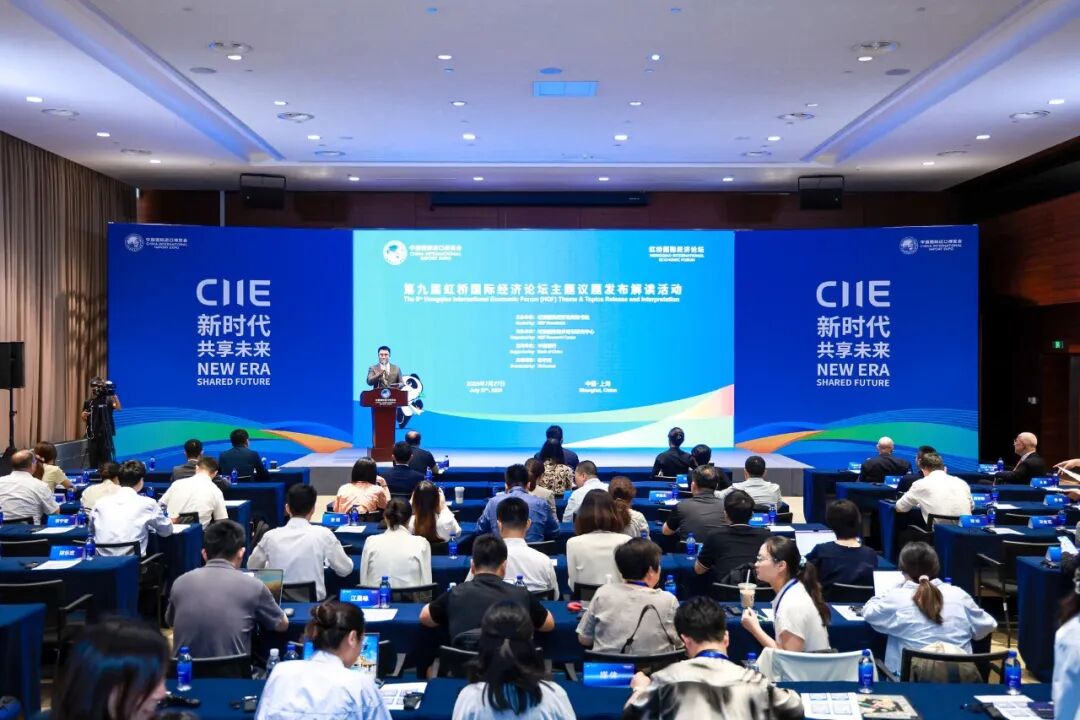
Event Scene
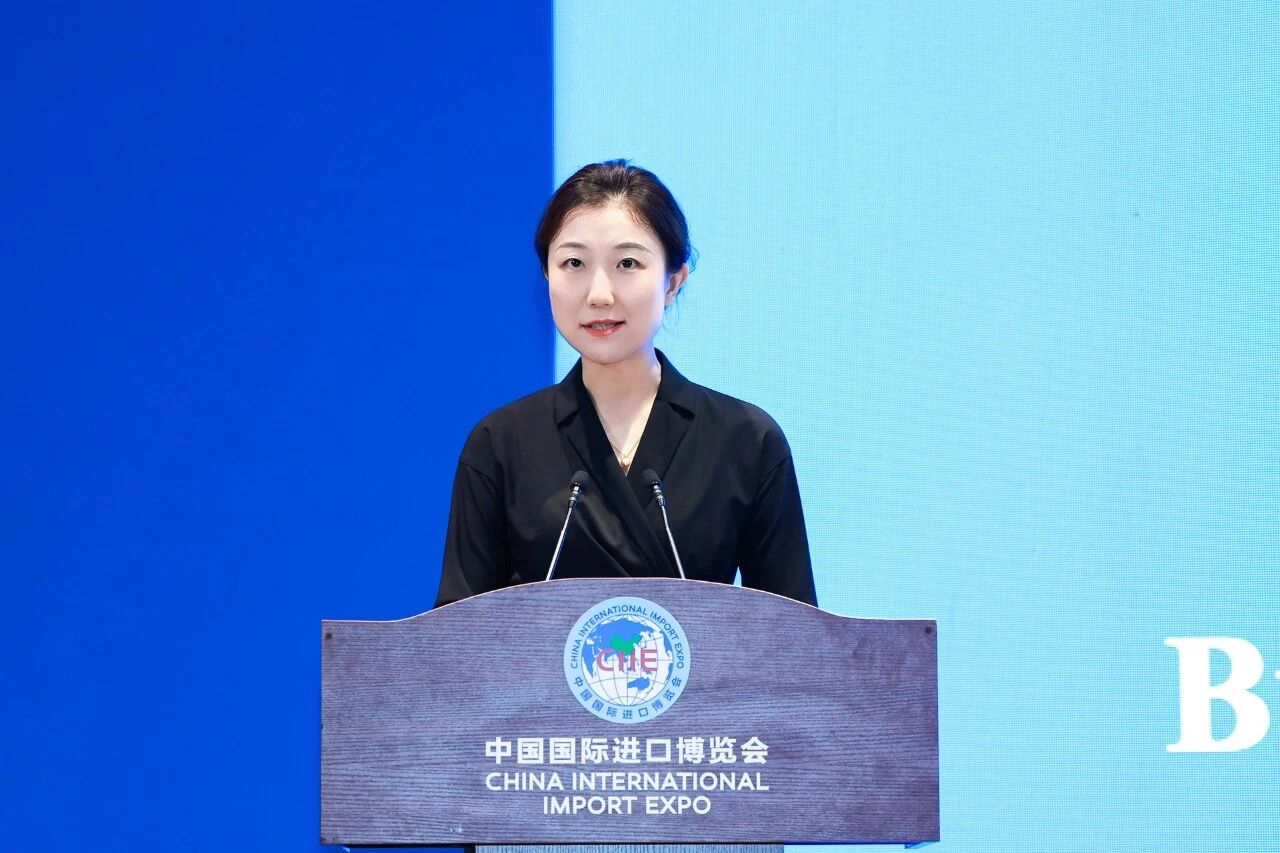
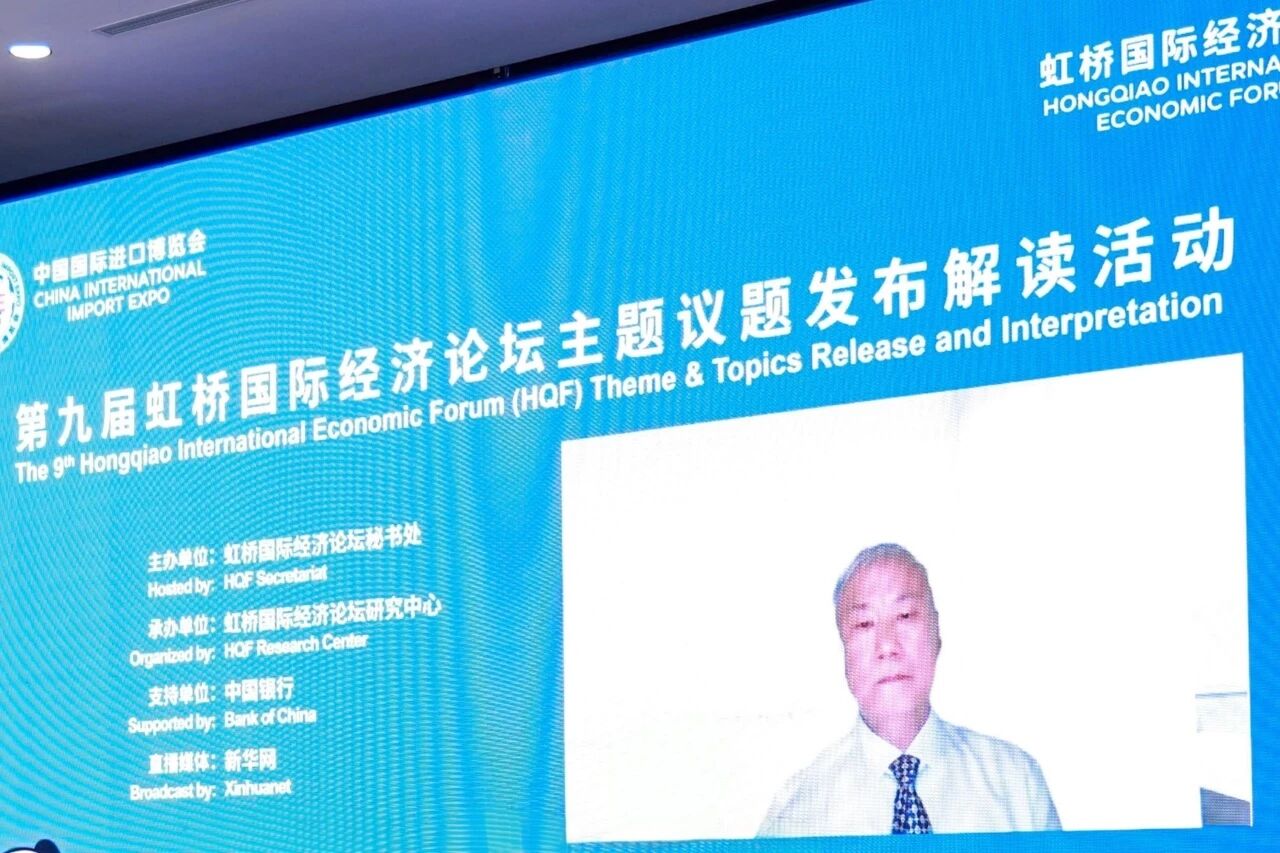
Song Shangzhe from the CIIE Bureau and HQF Secretariat delivered a speech. He noted that this year marks the 105th anniversary of the founding of the Communist Party of China and the first year of China’s 15th Five-Year Plan, making the successful organization of the 9th CIIE and HQF especially significant under current circumstances. He emphasized that the 9th HQF will uphold its positioning of promoting global openness and improving global economic governance, fully leverage its role as an international public good, and strive to enhance the quality and effectiveness of its sessions. Stephen Jackson, the UN Resident Coordinator in China, delivered a video address, in which he said that “By promoting trade,investment, innovation and connectivity, China contributes meaningfully to strengthening global economic governance and advancing inclusive development outcomes.” Hamid Rashid, former head of the UN Global Economic Monitoring Centre and lead author of the World Economic Situation and Prospects Report, delivered a video address, in which he said that “ China has always been a participant and supporter of multilateralism, providing positive and constructive solutions for the unimpeded flow and stability of global trade. He also expressed the hope that China will continue to adopt an open stance, lead globalization, and uphold the multilateral system.”
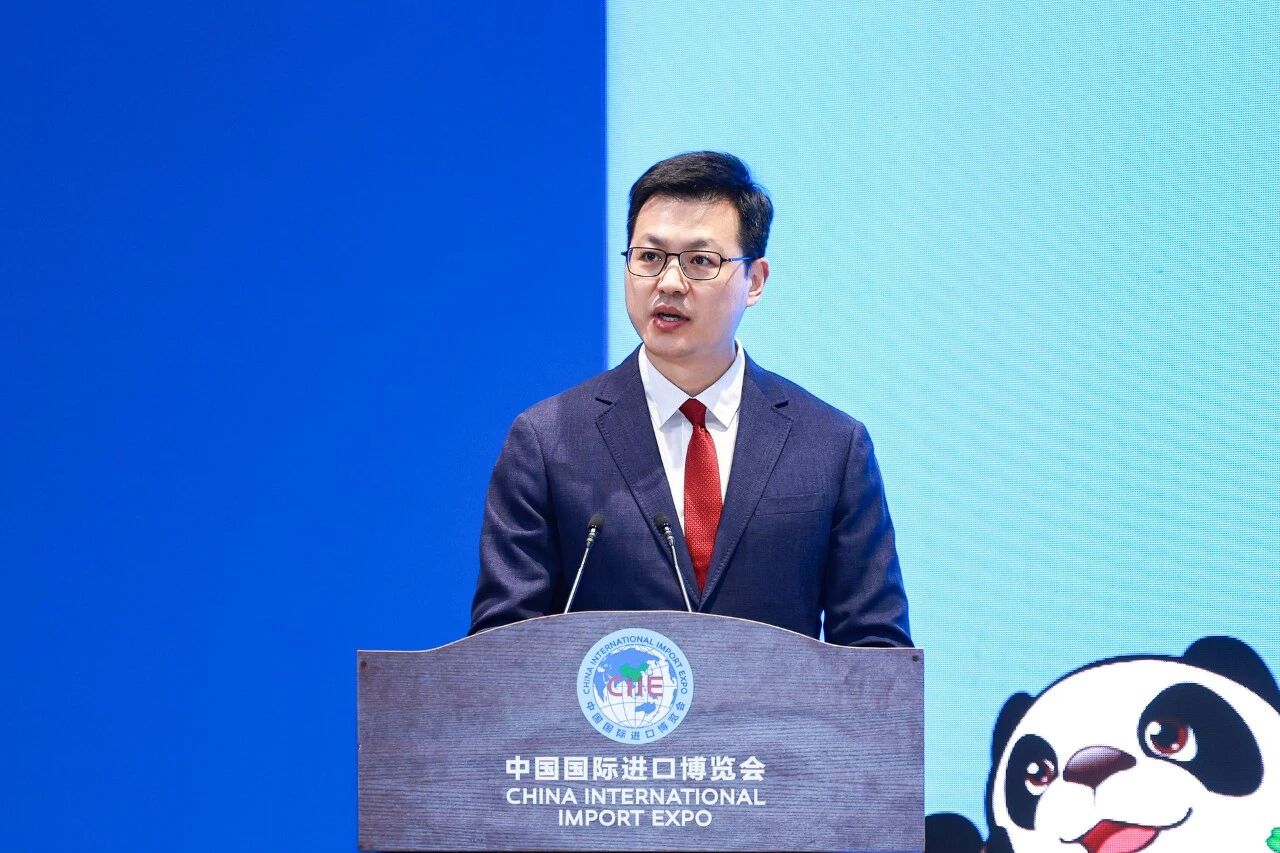
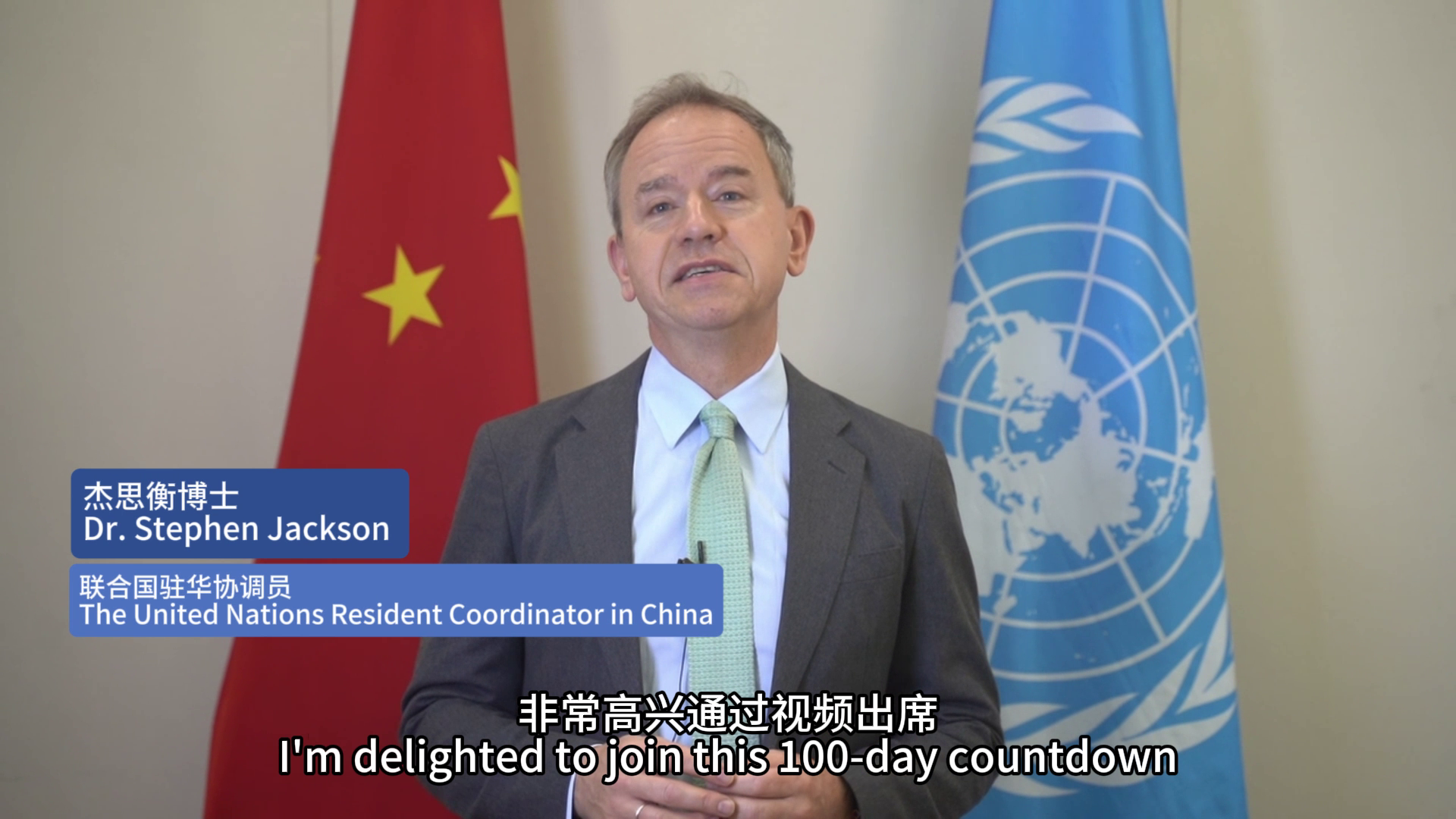
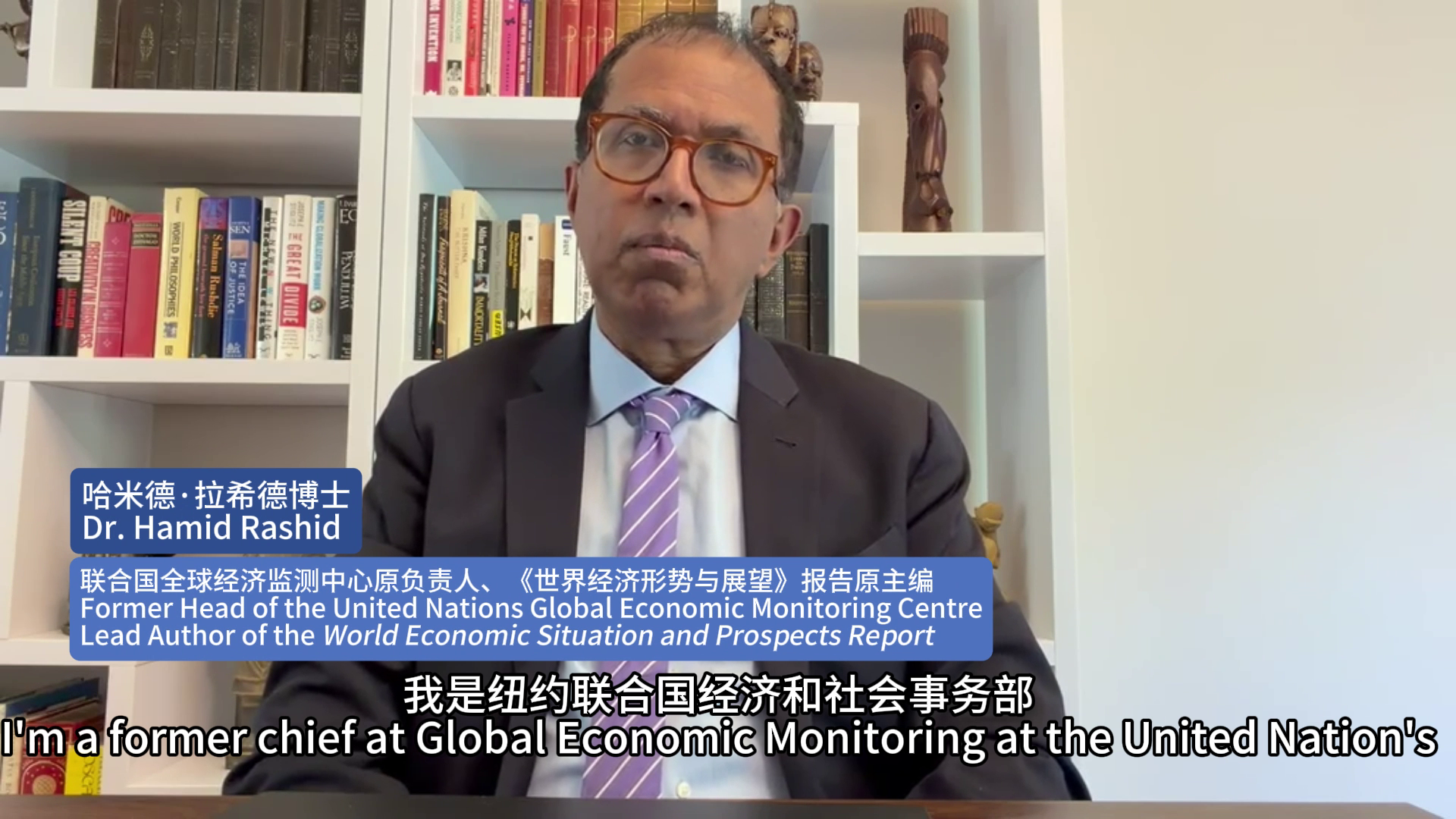
Speeches
Guo Zhihui, Head of the HQF Research Center and Vice President of the Chinese Academy of International Trade and Economic Cooperation (CAITEC) under the Ministry of Commerce of the People’s Republic of China, released the theme and the topic directions for the parallel sessions and other activities of the 9th HQF.
The theme of the 9th HQF is “Stability and Cooperation: Building an Open World Economy Together.” The parallel sessions and closed-door meetings will continue the “1+4” framework: “1” refers to the “Report Launches and International Symposiums”, which will release The World Openness Report 2026 (including the latest World Openness Index) and newly add the launch of the Export-to-China Capacity Development Report, making them two flagship reports. It will also release the Chinese version of the World Trade Report 2026. “4” are as follows: “Opening-up for Cooperation”, Opening up for Innovation, Opening up for Development, Opening up for Sharing. “Opening-up for Cooperation” focuses on “Upholding Multilateralism”, highlighting the practical dimension of openness, promoting the reform and improvement of the global governance system, and will be explored from the perspectives of trade cooperation and industrial and supply chain cooperation. “Opening-up for Innovation” focuses on “New Drivers of Technological Advancement”, highlighting the dynamic dimension of openness, promoting the deep integration of technological and industrial innovation, and will be explored from the perspectives of digital and smart innovation and industrial empowerment. “Opening-up for Development” focuses on “Green and Sustainable Globalization”, highlighting the goal dimension of openness, promoting healthier development, and will be explored from the perspectives of green development, globalization, and transformation and upgrading. “Opening-up for Sharing” focuses on “China as a Trustworthy Partner”, highlighting the value of openness, promoting China’s development to better benefit the world, and will be explored from the perspectives of market opportunities, open practices, and government-business dialogue. For specific topics, please click “Read More” at the end of the article.
Release and Interpretation
Renowned domestic and international scholars and executives from HQF member companies provided forward-looking interpretations of the 9th HQF’s theme and topics.
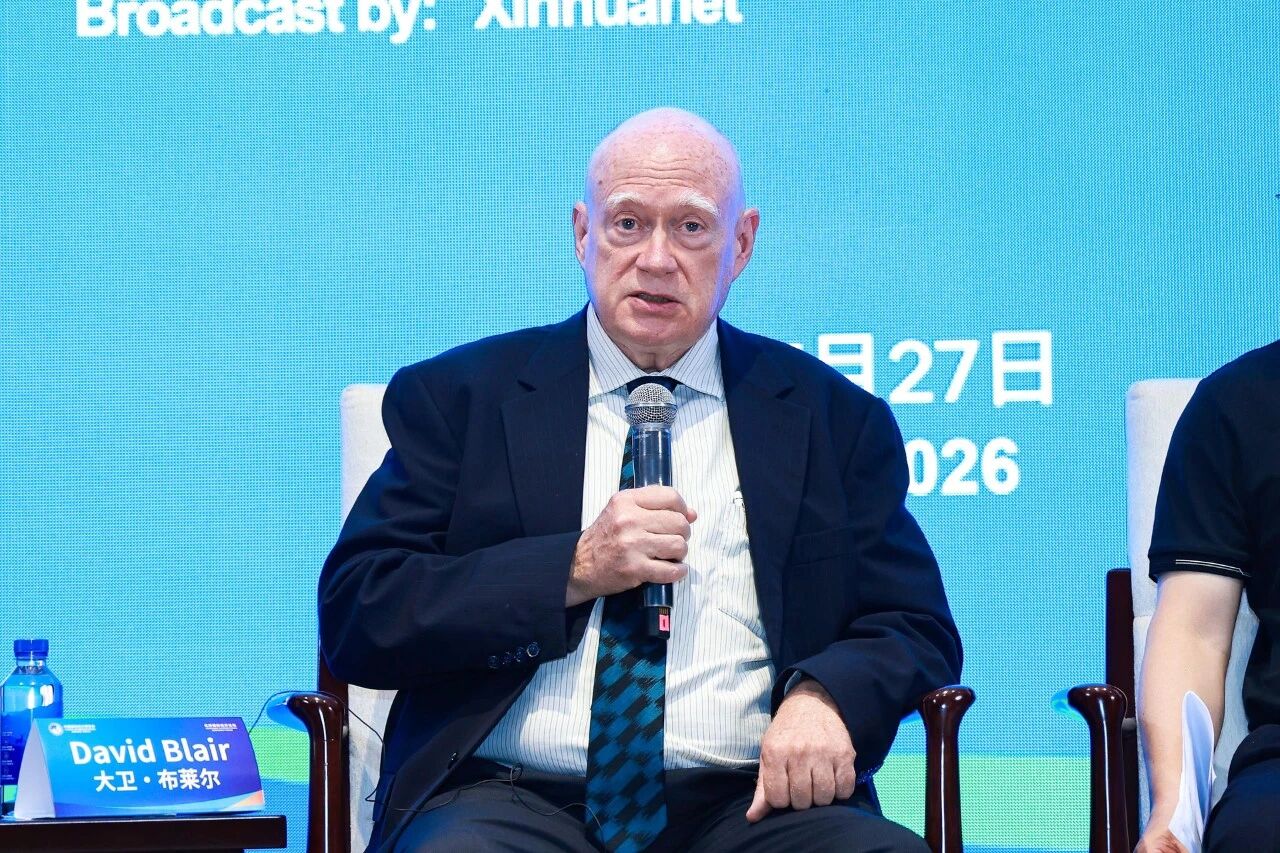
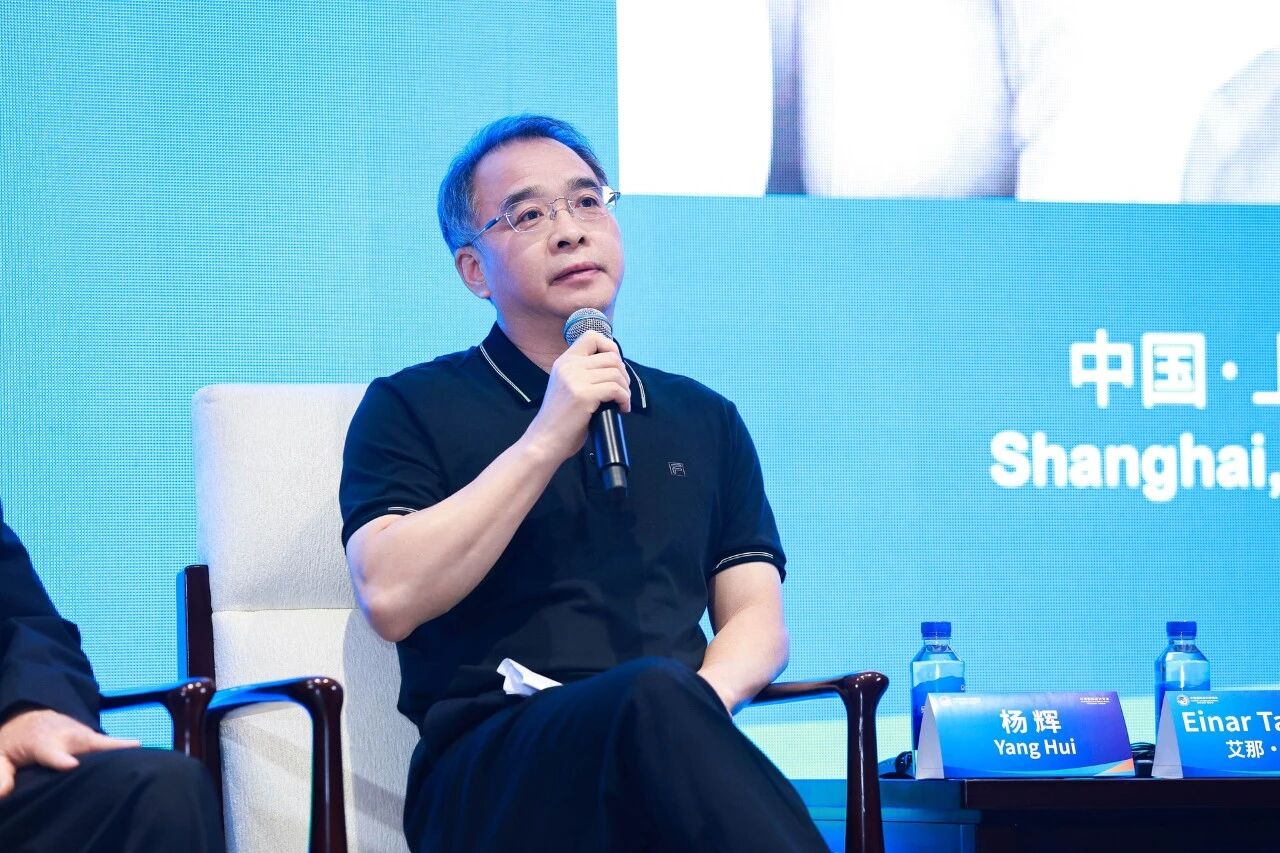
On the forum theme, participating experts agreed that “Stability and Cooperation: Building an Open World Economy Together” accurately responds to the current context of rising global economic uncertainty, mounting protectionism, and the growing value of openness and cooperation.David Blair, Vice President of the Center for China and Globalization (CCG) and Chief Economist of the Association of Global Talent Organizations (AGTO), noted that major economies are all facing transition pressures, and that the more difficult the times, the more crucial it is to seize international trade and cooperation opportunities. Hamid Rashid, former head of the UN Global Economic Monitoring Centre, observed that China’s adherence to a rule-based multilateral system and its support for WTO reform are of great significance for stabilizing global trade flows. Yang Hui, Vice President of the Institutes of Science and Development, Chinese Academy of Sciences (CASISD), remarked that technology can serve either as a basis for fragmentation or as a bridge for open cooperation, and that the HQF has chosen the latter. Zhang Yansheng, Researcher Fellow at the Academy of Macroeconomic Research (AMR), argued that “stability and cooperation, open cooperation, and promoting an open economy” represent the most important overarching theme at present.
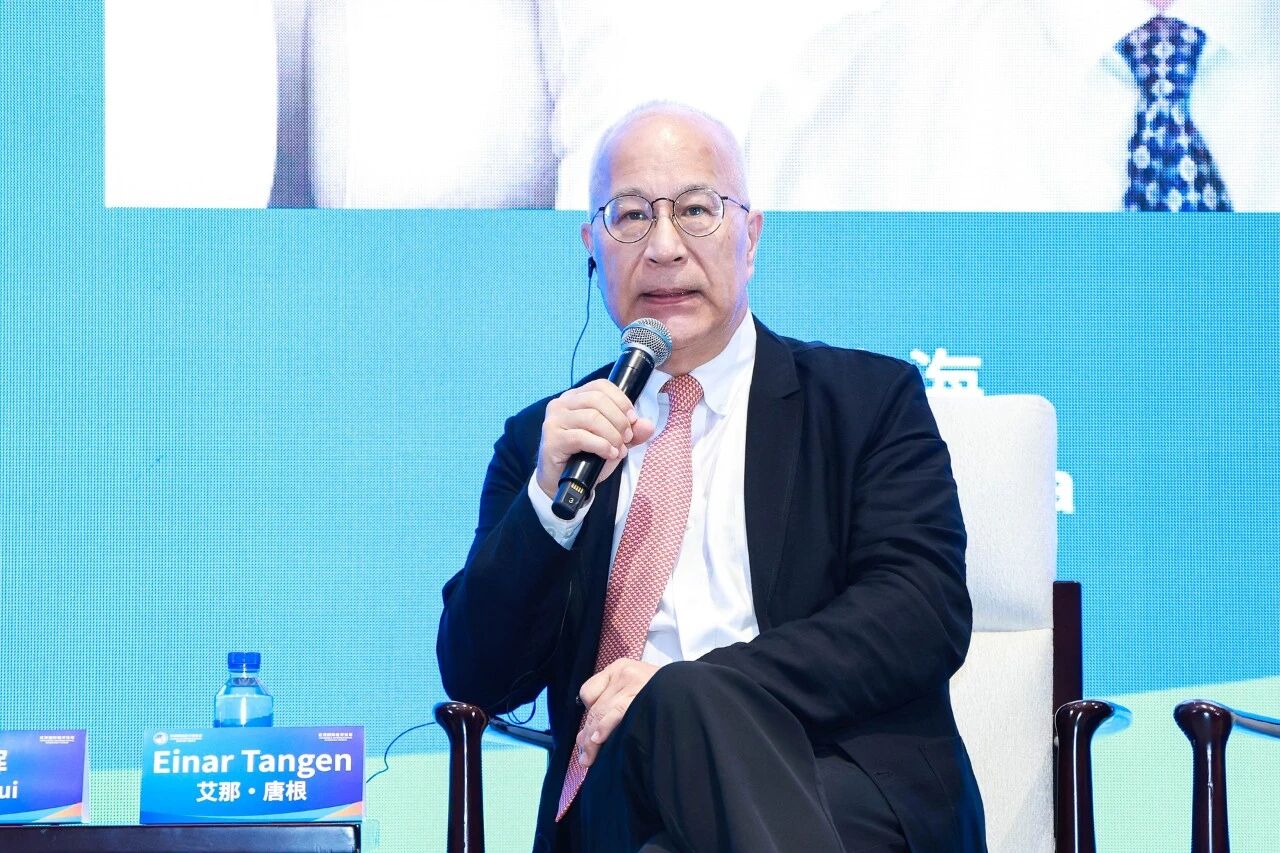
Regarding the Report Launch and International Symposium segment, experts held that the dual flagship reports will further strengthen the HQF’s intellectual support and outcome orientation. Einar Tangen, Current Affairs Commentator and Senior Fellow at the Center for International Governance Innovation (CIGI), stated that the World Openness Report helps track changes in global openness direction, and that China has enhanced mutual trust through sustained practical efforts. Zhang Yansheng noted that the first release of the Export-to-China Capacity Development Report is highly significant, as enhancing the Global South’s capacity to export to China is an important public good that China provides.
On the “Open Cooperation” pillar, experts believed that upholding multilateralism is a critical path to resolving global economic difficulties.David Blair emphasized that a rulesbased trading system is essential for all countries, especially smaller ones, and that more countries should be integrated into the global trading system. Einar Tangen observed that global economic rebalancing is already under way, and that the CIIE and HQF help small and mediumsized enterprises access international markets.
On the “Open Innovation” pillar, experts argued that new technological drivers create room for growth but also require open governance.Yang Hui pointed out that new arenas such as artificial intelligence, new energy, and biomanufacturing are opening up new space for the world economy. Hamid Rashid said that China’s promotion of inclusive AI governance helps build international consensus on both the opportunities and challenges of artificial intelligence. Zhang Yansheng maintained that AIempowered consumption must be advanced together with consumption upgrading and financial innovation.
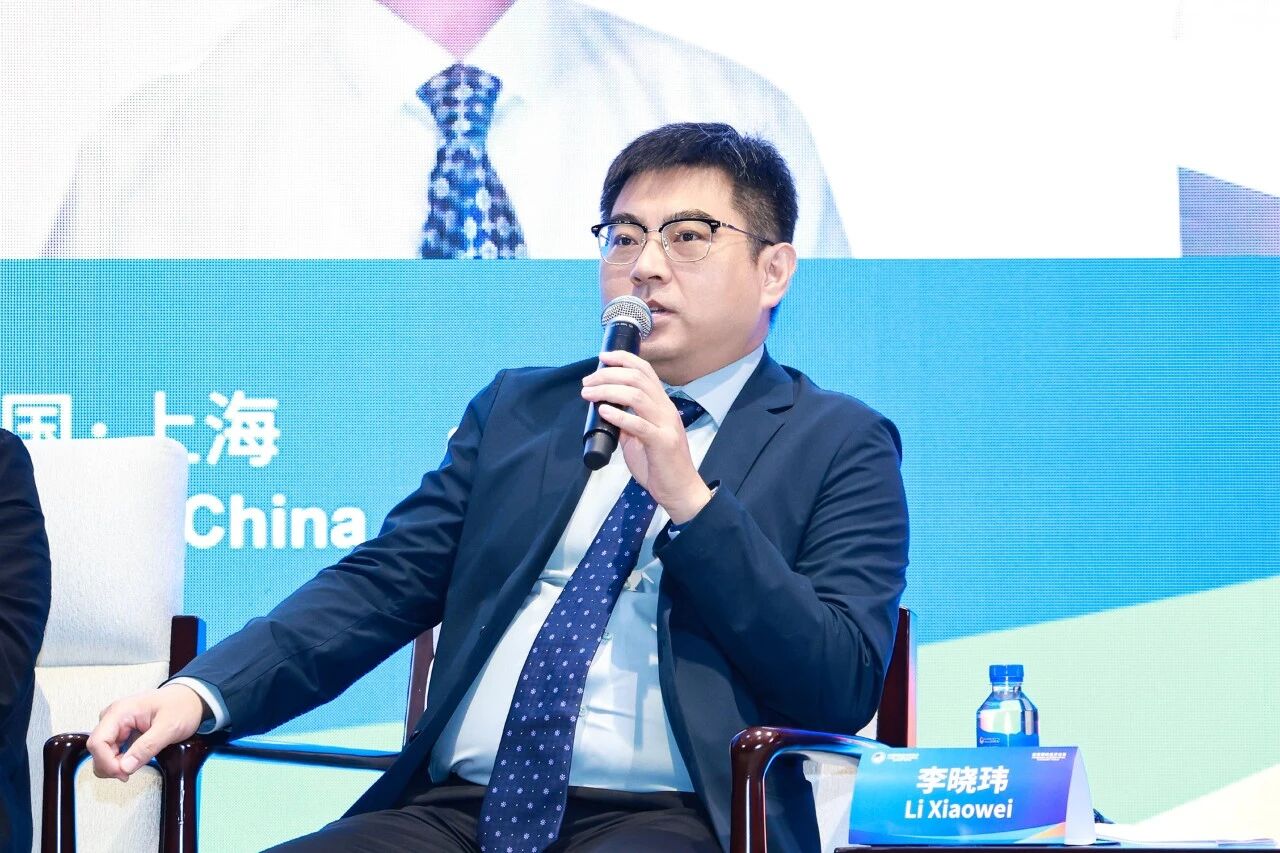
On the “Open Development” pillar, experts agreed that green and sustainable globalization requires coordinated progress in finance, energy, and industry.Li Xiaowei, Deputy General Manager of the Transaction Banking Department at the Head Office of Bank of China, stated that finance is the lifeblood of the global economy and can play a supporting role in facilitating trade and investment, green finance, and enterprise globalization. Yang Hui argued that green energy transition is no longer a “bonus” but a “musthave”, bearing on energy security, incremental growth, and global equity.
On the “Open Sharing” pillar, experts believed that a trustworthy China provides certainty and new opportunities for the world.Einar Tangen said that through its Five-Year Plans and the Belt and Road Initiative, China has consistently delivered on its commitments and built trust. David Blair held that China possesses a megasized market and competitive manufacturing clusters, and that openness should genuinely benefit ordinary people. Stephen Jackson, UN Resident Coordinator in China, noted that the CIIE and HQF offer a viable pathway for developing economies to deeply integrate into global value chains and share the dividends of trade.
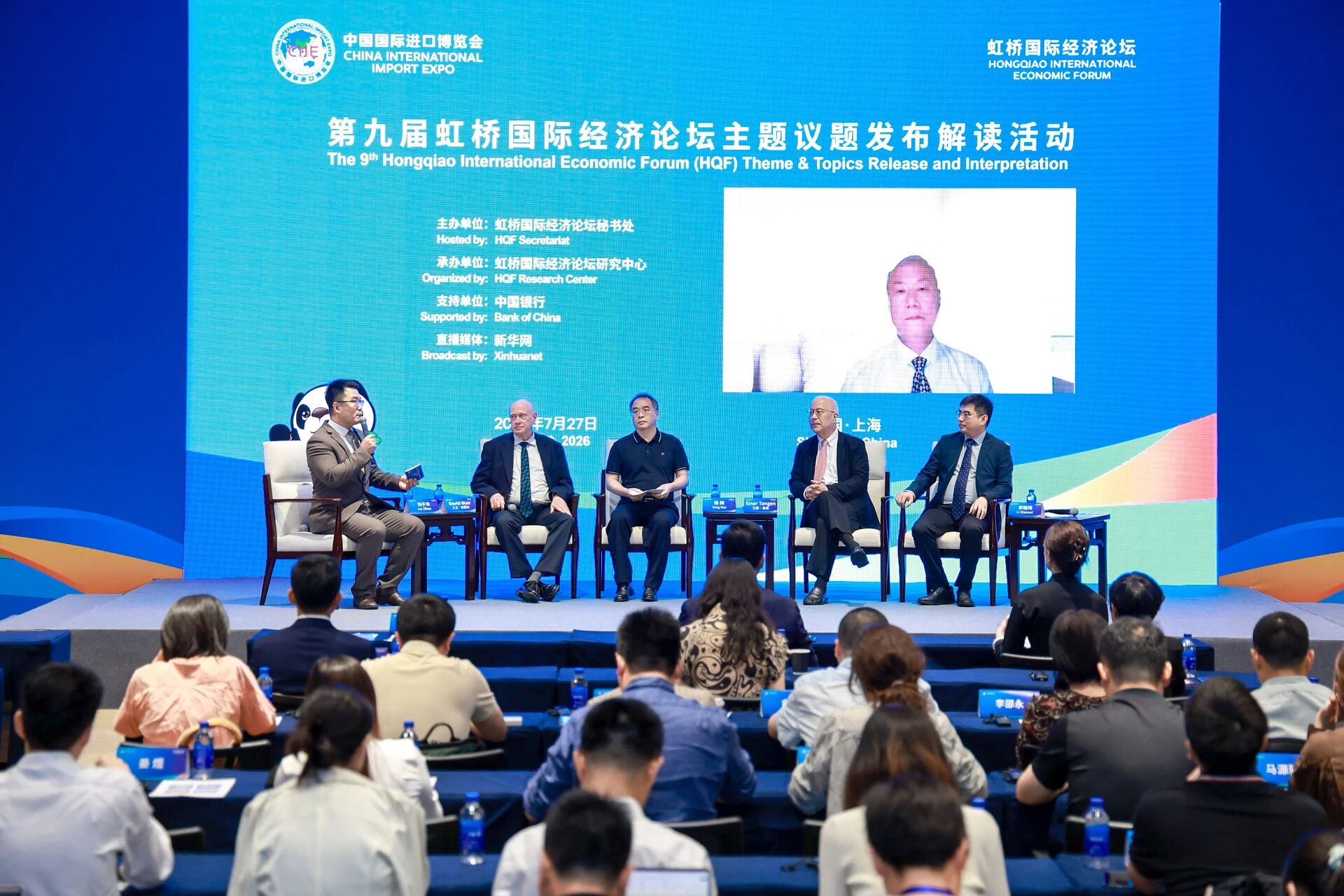
Interpretation Exchange
The event was attended by representatives from the cohosts and co-organizers of the parallel sessions, HQF member companies, think tank and media partners, CIIE exhibitors and buyers, and journalists, totaling about 100 people.