Hongqiao International Economic Forum

The 9th HQF | Cooperation for Innovation and Development in Humanoid Robotics and Embodied AI Industries Release date: 2026-11-13 Source:CIIE
The parallel session on “Cooperation for Innovative and Development in Humanoid Robotics and Embodied AI Industries” of the 9th HongQiao International Economic Forum was successfully held on the afternoon of November 5 at the National Exhibition and Convention Center (Shanghai). The parallel session was co-hosted by the Ministry of Industry and Information Technology and the Ministry of Commerce, and organized by the Chinese Institute of Electronics (CIE).
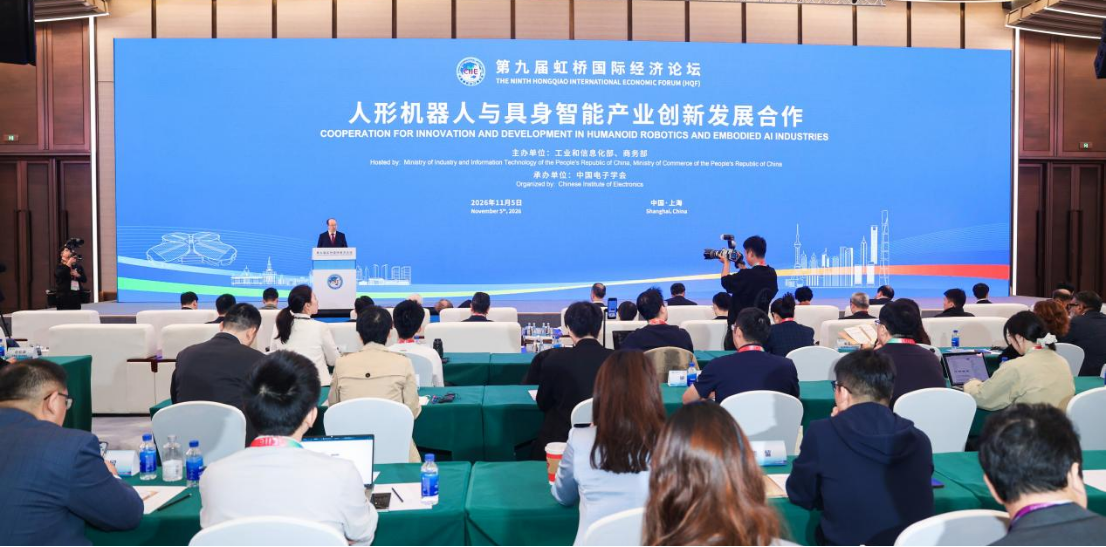
Xiong Jijun, Deputy Minister of Industry and Information Technology; Chen Jie, Member of the Standing Committee of the CPC Shanghai Municipal Committee and Deputy Mayor of Shanghai; Xu Xiaolan, Chairperson of the Chinese Institute of Electronics; and Sean Stein, President of the US-China Business Council, attended the parallel session and delivered remarks. Whitfield Diffie, recipient of the 2015 Turing Award and member of the US National Academy of Engineering; Xi Ning, Chairman of the Robotics Society of Chinese Institute of Electronics and Chair Professor of Robotics and Automation and Head of Department of Data and Systems Engineering at The University of Hong Kong; Liu Bochao, Director-General of the Department of International Cooperation of MIIT; Fan Bin, Level Ⅰ Bureau Rank Official of the Department of Science and Technology of MIIT; Yan Hongqiang, Level Ⅰ Bureau Rank Official of the Cybersecurity Administration of MIIT; Cui Shutian, Level Ⅰ Bureau Rank Official of the Department of Industrial Policy and Regulations of MIIT; Gao Ju, Director-General of the Shanghai Communications Administration; Cheng Duofu, Deputy Director-General of the SME Bureau of MIIT, and other officials and guests attended the parallel session. The parallel session was moderated by Zhao Yunfeng, Deputy Chairperson and Secretary-General of the Chinese Institute of Electronics.
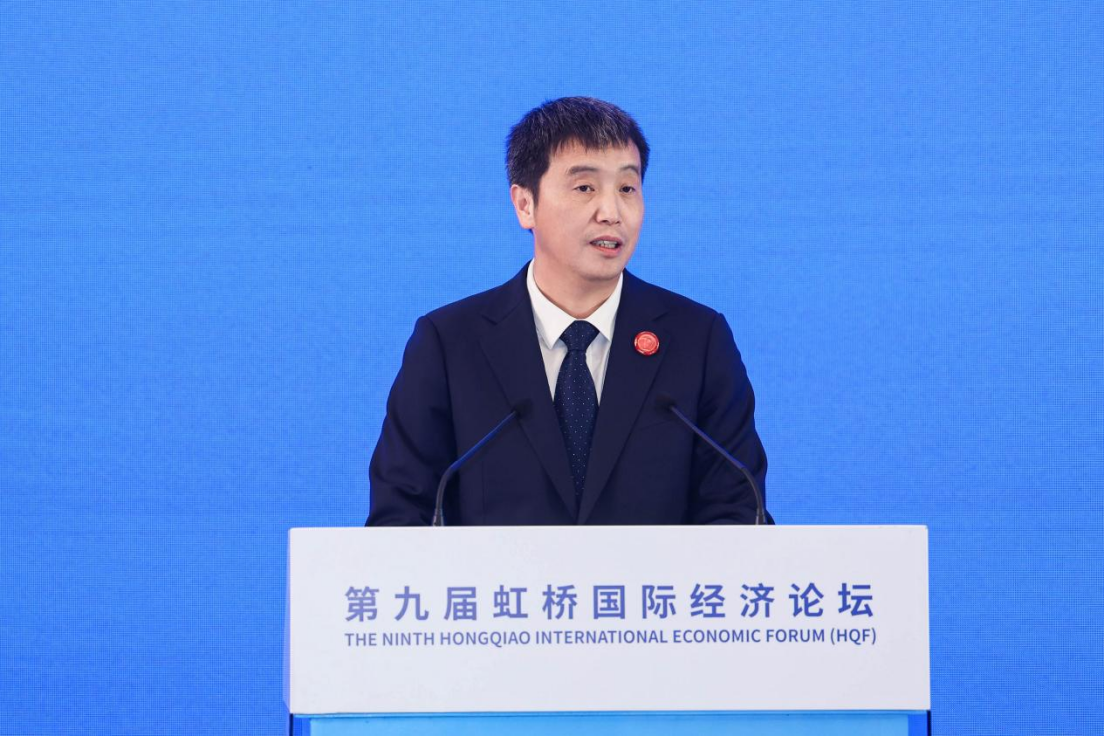
In his remarks, Xiong Jijun noted that MIIT has thoroughly implemented the decisions and plans of the CPC Central Committee and the State Council, and has advanced the innovative development of humanoid robots and embodied intelligence in a systematic manner across policy improvement, technology breakthroughs, scaled application, and development environment optimization. China’s humanoid robot and embodied intelligence industry is thriving: complete machines are upgrading from “running and jumping” to “thinking and doing”, and are accelerating their integration into all areas of economic and social life, including manufacturing, services, and people’s livelihoods. Going forward, MIIT will remain committed to innovation-driven development, application-led growth, and ecosystem building, and will accelerate the sound and orderly development of the industry. First, focusing on technological breakthroughs to anchor the “ballast stone” of full-chain progress, strengthening technology R&D across the entire chain from software algorithms and core components to complete-machine integration. Second, deepening scenario-based application to clear the “fast lane” of industrial development, advancing the special action on real-scenario training in depth, and moving complete machines from “kung fu mode” to “work mode”. Third, cultivating the industrial ecosystem to build an open-source “circle of friends”, accelerating the development of a high-level open-source community for humanoid robots, and actively participating in the building of the global embodied intelligence governance system.
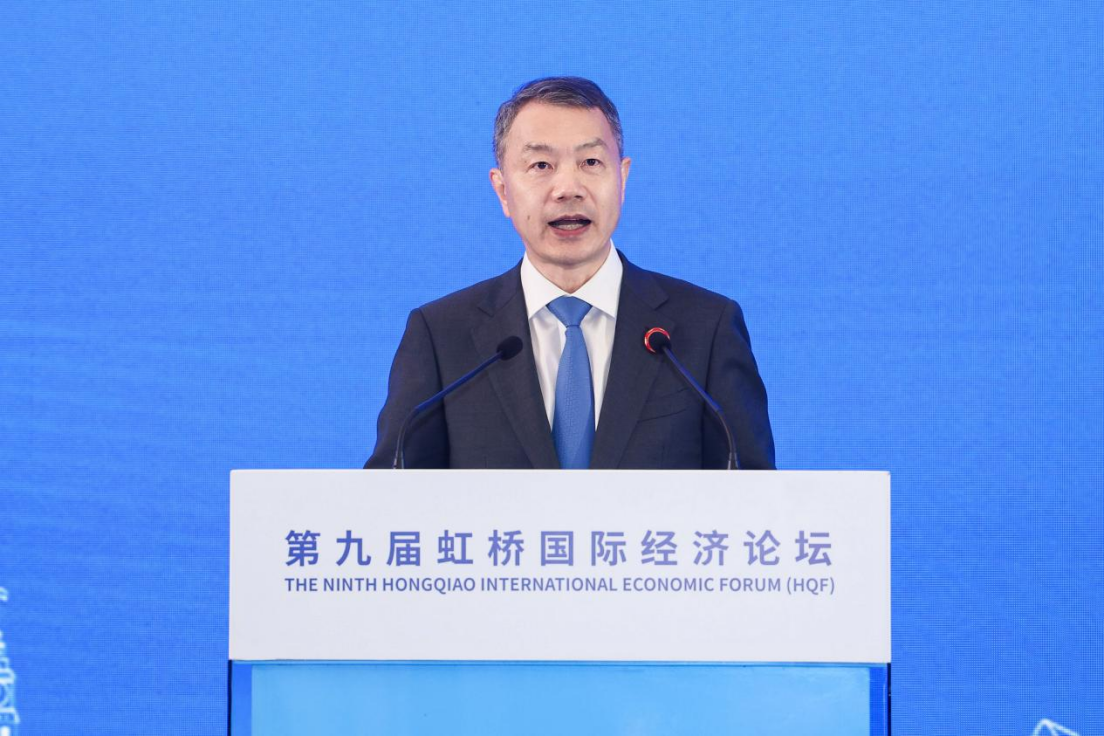
In his remarks, Chen Jie noted that in recent years, Shanghai has adhered to the principle of “industry posing questions, science and technology providing answers”, and has built a full-chain collaborative embodied intelligence ecosystem covering joint modules, key chips, complete-machine manufacturing, and application scenarios. Shanghai has established industrial clusters such as the Zhangjiang Robot Valley and advanced the building of the national-local co-built Humanoid Robot Innovation Center, providing strong support for technological innovation and industrialization. Going forward, Shanghai will adhere to model-driven development, application demonstration, all-round coordination, and an open-source ecosystem, and will accelerate the building of a globally influential embodied intelligence innovation hub. First, accelerating technological exploration to drive the rapid iteration of foundation models and world models, and advancing technology breakthroughs in edge-side chips and key components. Second, promoting real-scenario application, leveraging the scenario advantages of a megacity to deepen the application of embodied intelligence in industrial, service, and special-purpose scenarios and empower industrial upgrading. Third, improving the industrial chain ecosystem, laying out specialized functional platforms around R&D and commercialization, pilot-scale verification, mass manufacturing, and training and testing, and strengthening industrial chain cooperation.
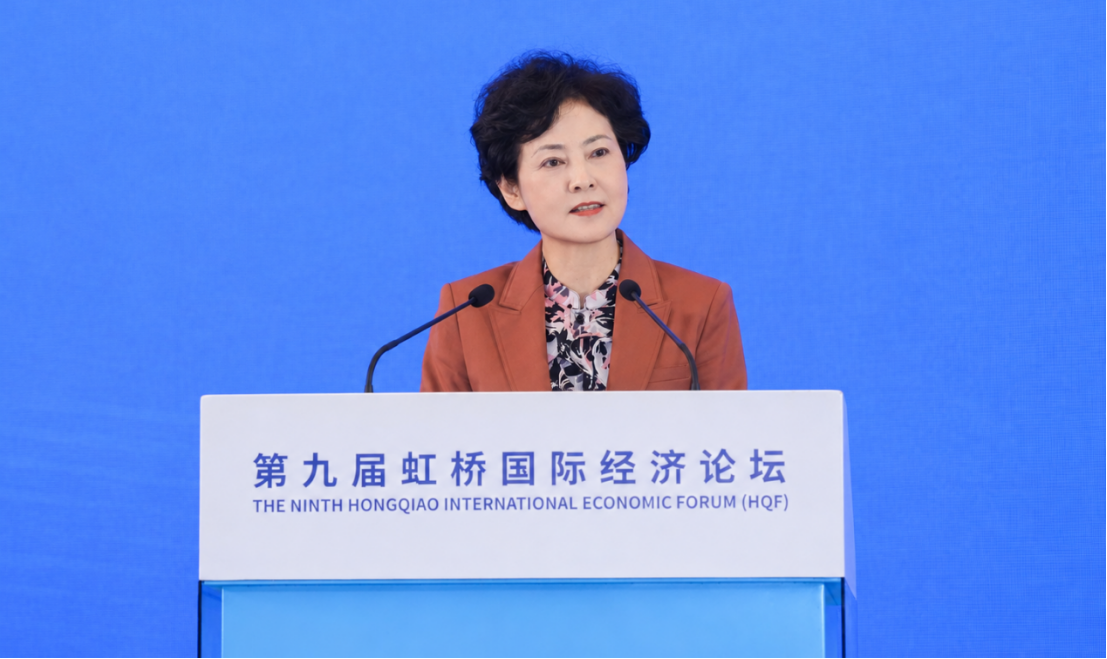
In her remarks, Xu Xiaolan noted that under the guidance of MIIT, the Chinese Institute of Electronics has actively played a bridging role and deeply engaged in the entire process of building the humanoid robot and embodied intelligence industrial ecosystem. First, building high-level international exchange platforms: by organizing globally influential industry events such as the World Robot Conference, CIE has effectively facilitated precise matching and collaborative innovation across supply and demand; it has also leveraged its role as the secretariat of the World Robot Cooperation Organization and the China Humanoid Robot and Embodied Intelligence Top 100 Committee to integrate resources from all parties and promote the sound and sustainable development of the industry. Second, driving application-led industry development: CIE has organized open competition programs for key technologies in humanoid robots and embodied intelligence and advanced the building of a real-scenario training ecosystem for the industry, effectively opening the transformation channel from application scenarios to technology breakthroughs. Third, advancing the standards system: as the secretariat unit of the MIIT Humanoid Robots and Embodied Intelligence Standardization Committee, CIE carries out standardization work for key links, guiding the industry toward standardized, regulated, and internationalized development. Fourth, building a professional talent cultivation system: as the lead unit for developing the national occupational standard for “Embodied Intelligence Robot Application Technician”, a new occupation, CIE will continue to forge high-quality, interdisciplinary technical talent for the embodied intelligence industry.
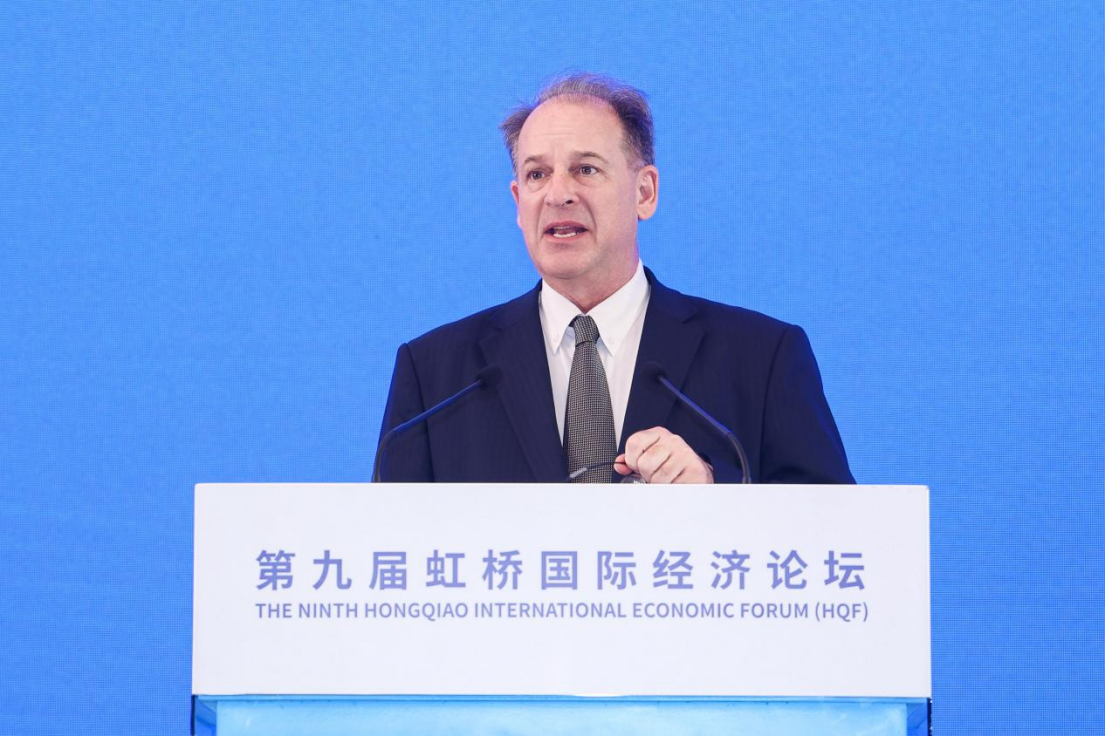
In his remarks, Sean Stein noted that China has become an important center of technological innovation, with an impressive speed and scale of innovation. Humanoid robots and other intelligent systems are accelerating their expansion into practical applications, helping people carry out tasks in fire and rescue, search and rescue, power grid inspection, and other fields, reflecting the tangible public benefits brought by technological progress. It is important to create a more transparent and predictable regulatory environment, maintain communication on technology-related trade measures, and sustain dialogue on AI safety and risk management. As embodied intelligence and robots enter factories, infrastructure, and public spaces, system reliability, human oversight, and safe operation become increasingly important. China and the United States should maintain open communication, conduct pragmatic cooperation in areas of shared interest, promote the safe and responsible development of advanced technologies, and enable innovation to deliver tangible benefits to businesses and society.
Humanoid robots and embodied intelligence represent an important direction for the deep integration of artificial intelligence and advanced manufacturing, and an important vehicle for fostering new-quality productive forces and developing industries of the future. The industry is currently at a critical stage of leaping from technological breakthroughs to scaled and commercialized application. The parallel session brought together domestic and international experts, scholars, and entrepreneurs to exchange views on cutting-edge embodied intelligence technologies, industrial development, application expansion, and ecosystem building, through outcome releases, keynote speeches, and roundtable discussions, and to jointly explore pathways for innovative industrial development and international cooperation in humanoid robots and embodied intelligence.
At the outcome release session, the China Humanoid Robotics Committee of 100 released the “Humanoid Robot Application Scenario Atlas (2026)”. Taking “domain–scenario–enterprise” as the main thread, the Atlas presents application scenarios on the demand side while identifying typical enterprises on the supply side, providing a reference for industry technology breakthroughs, application promotion, and supply-demand alignment.
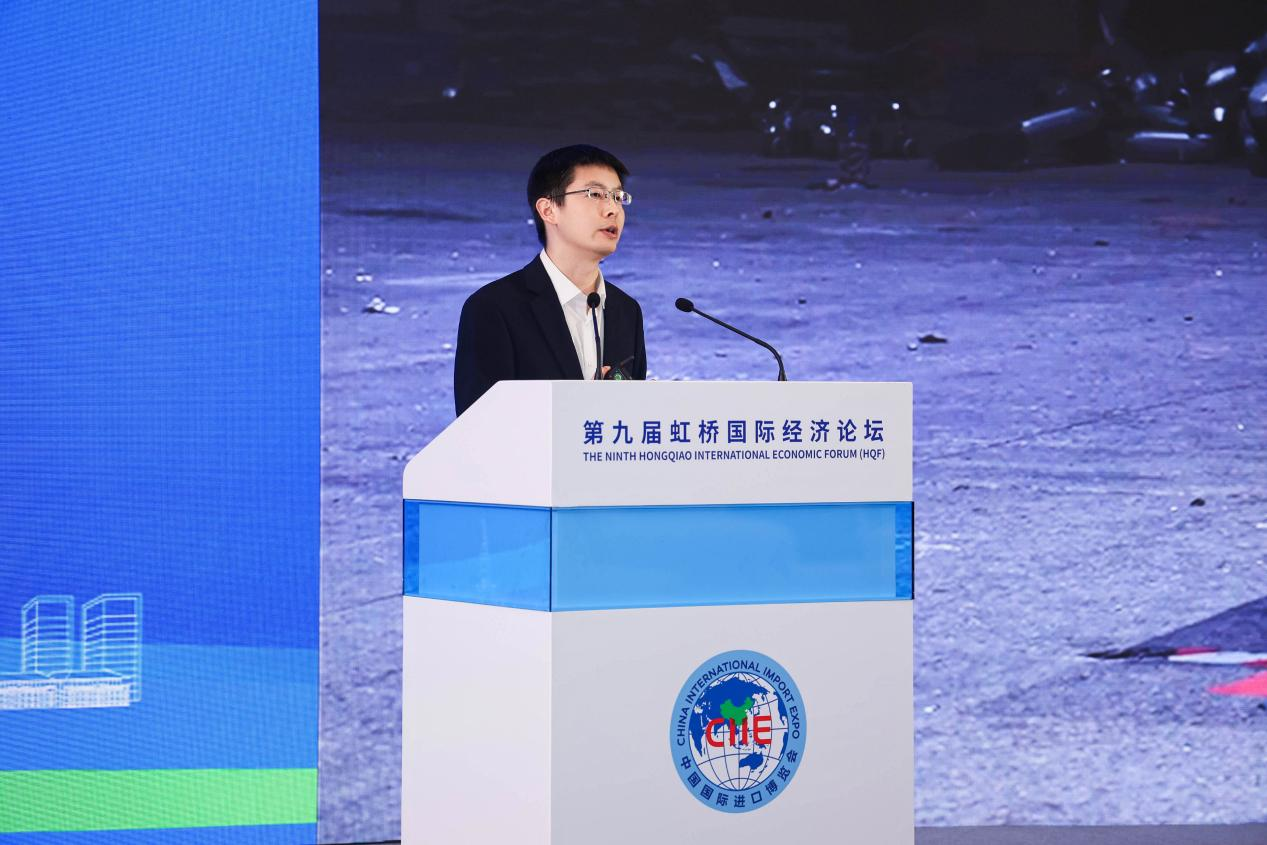
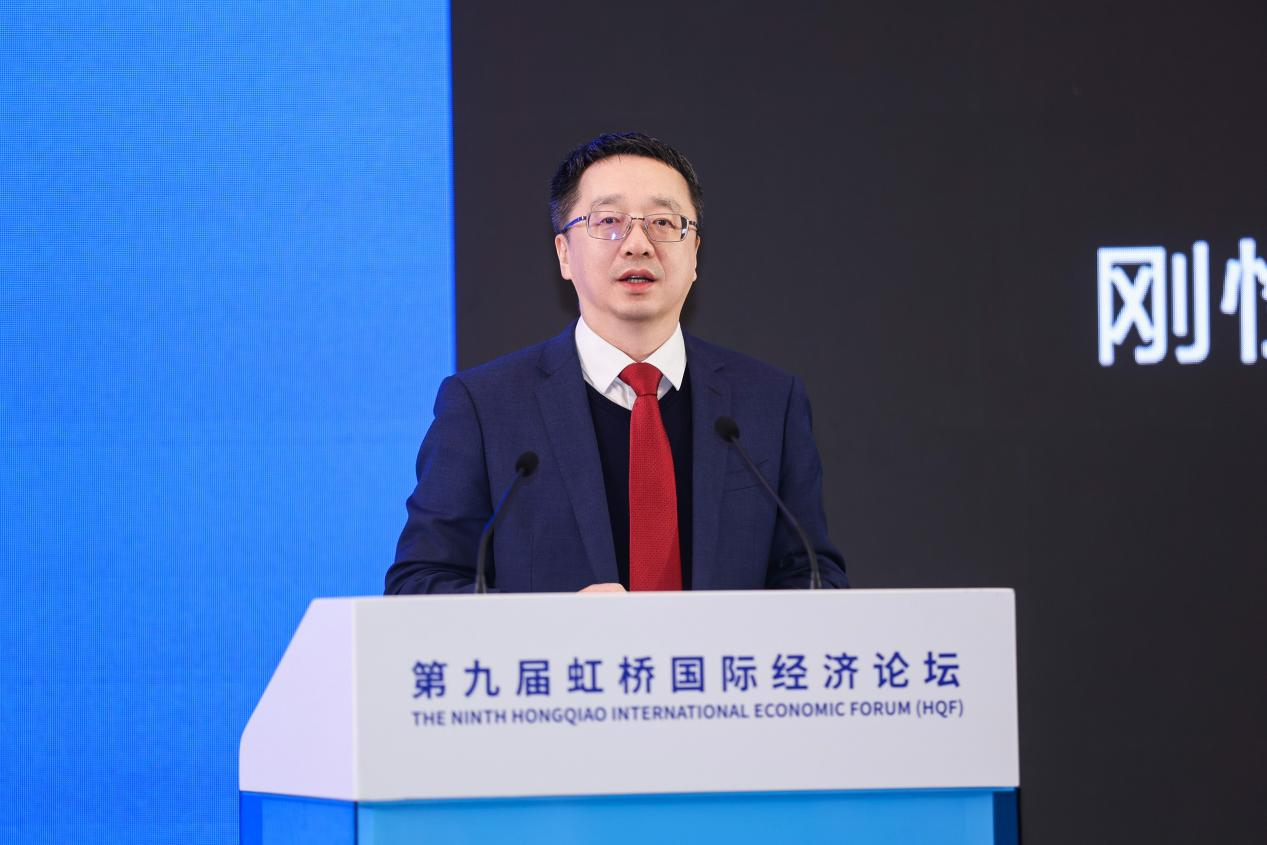
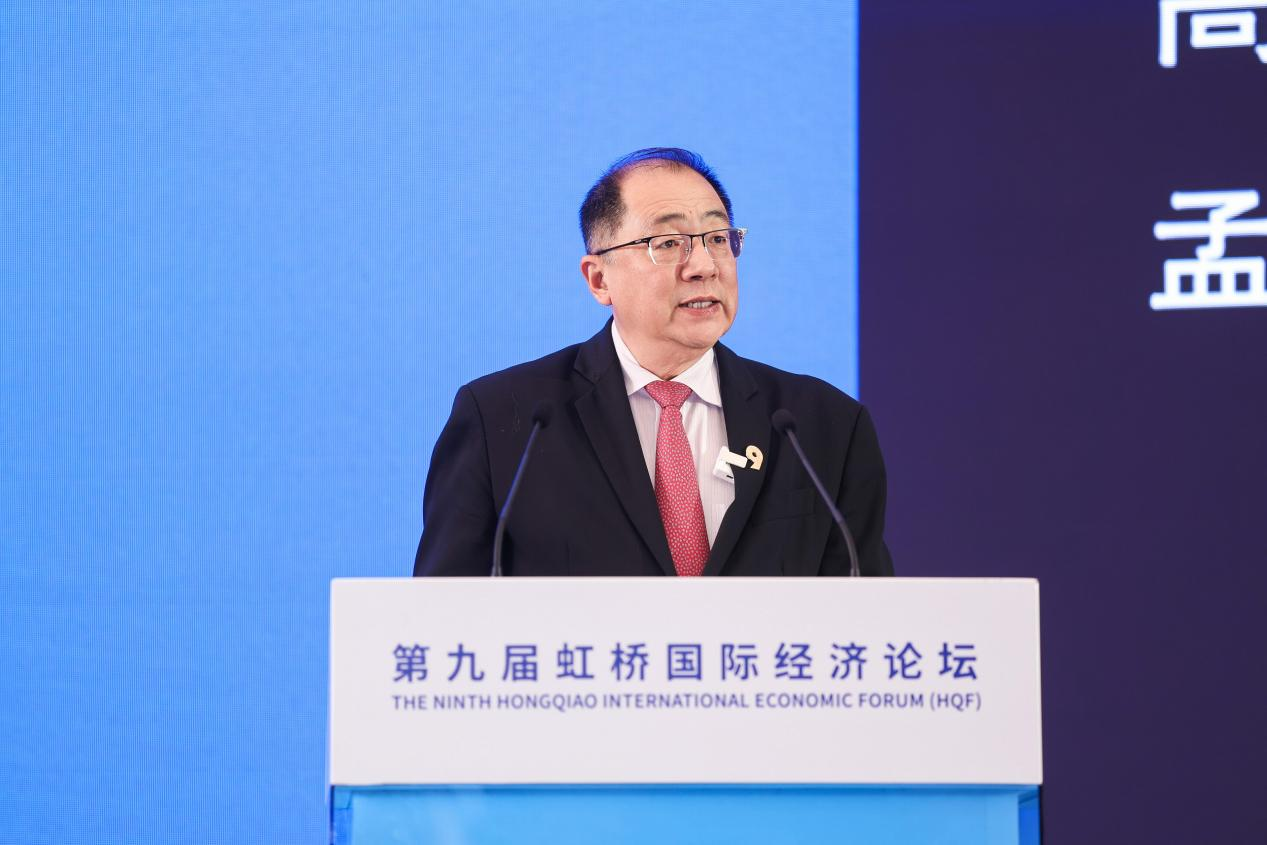
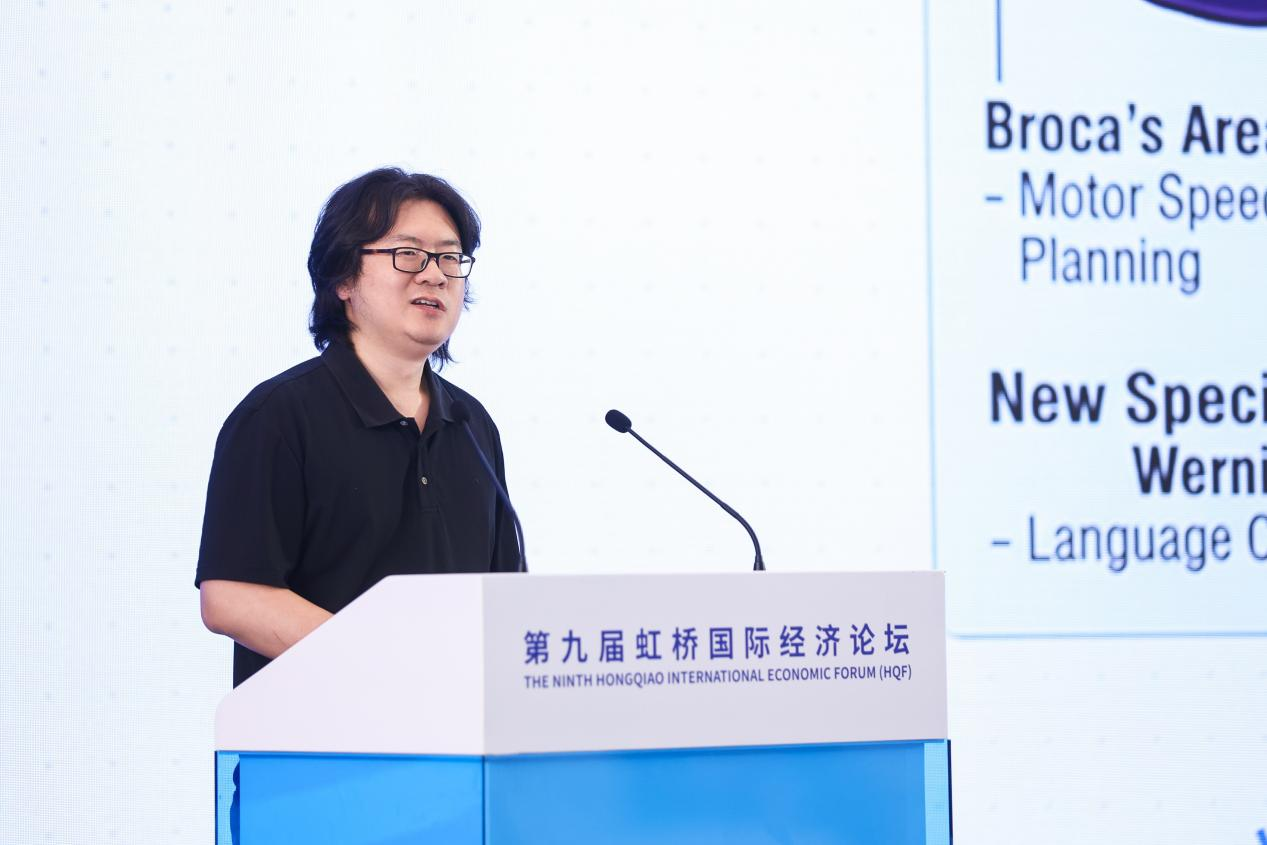
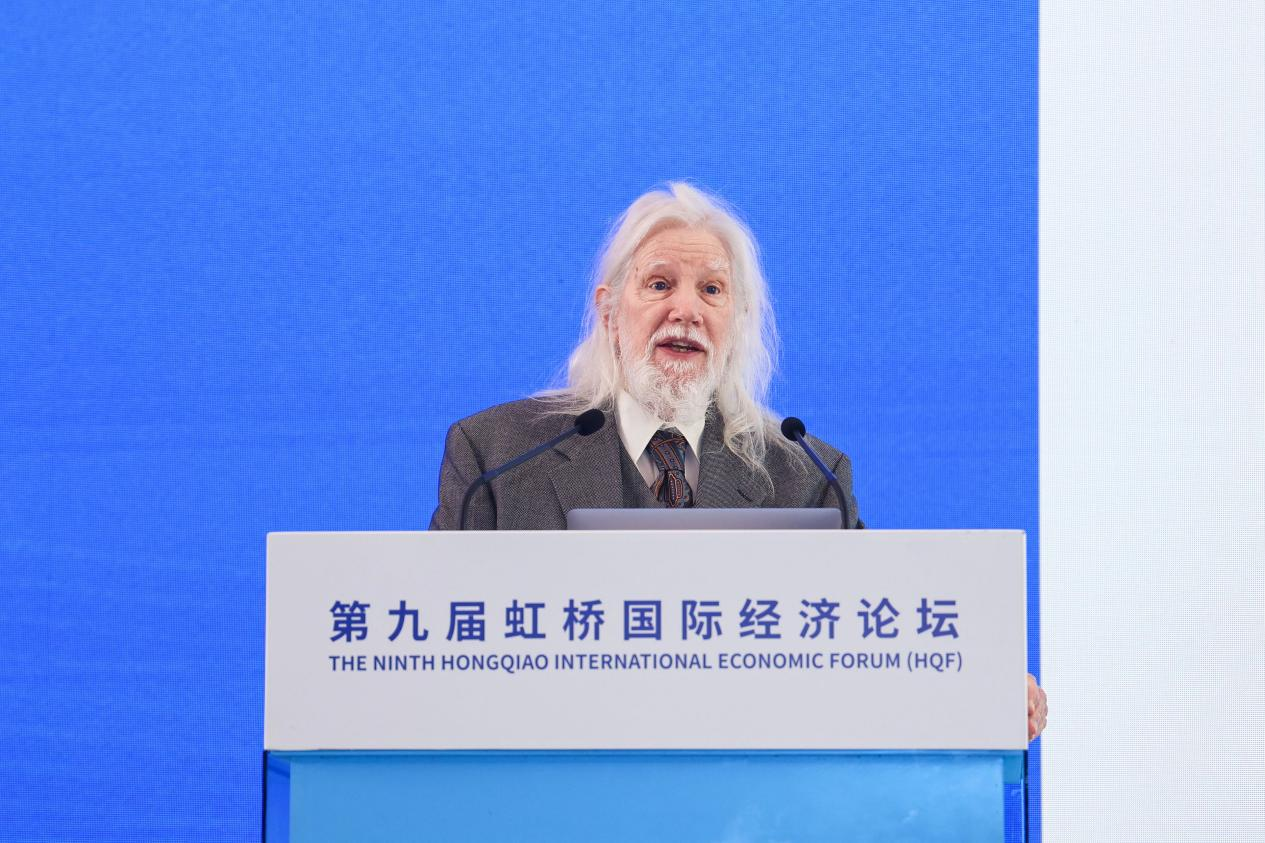
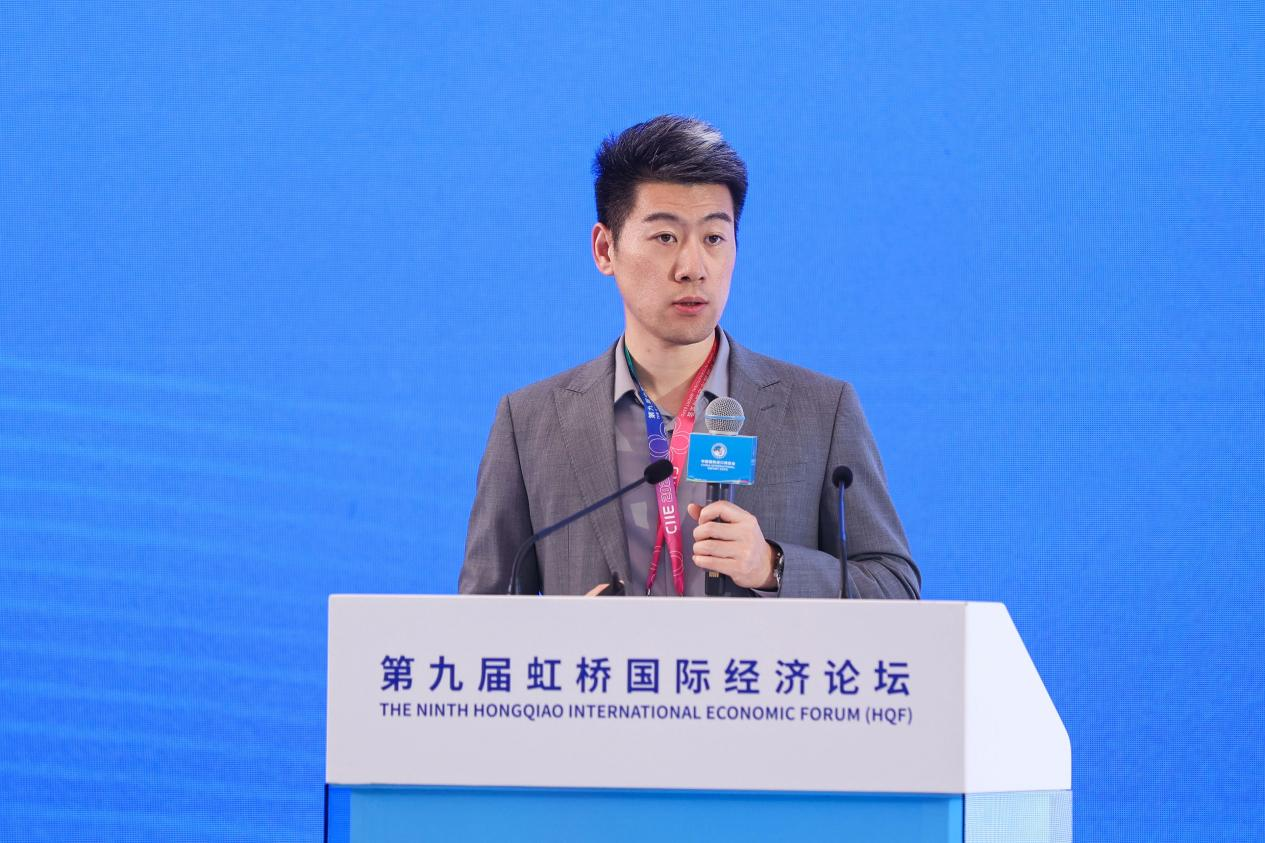
At the keynote speech session, Wang Xingxing, Founder and Chairman of Unitree Robotics Co., Ltd.; Whitfield Diffie, recipient of the 2015 Turing Award and member of the US National Academy of Engineering; Gao Jiyang, Founder and CEO of Galaxea AI (Beijing) Technology Co., Ltd.; Ren Lei, Distinguished Professor Tang Aoqing of Jilin University, Executive Vice President of the International Society of Bionic Engineering, and Founder of Yuequan Bionic Technology; Meng Pu, Chairman of Qualcomm China; and Wang Qian, Founder and CEO of X-Bot Technology, shared insights on embodied intelligence generalization, applications in the physical world and safety, open-source openness, bionic robots, intelligent computing, and foundation models, discussing cutting-edge technology breakthroughs and pathways to industrialization.
Discussion Session
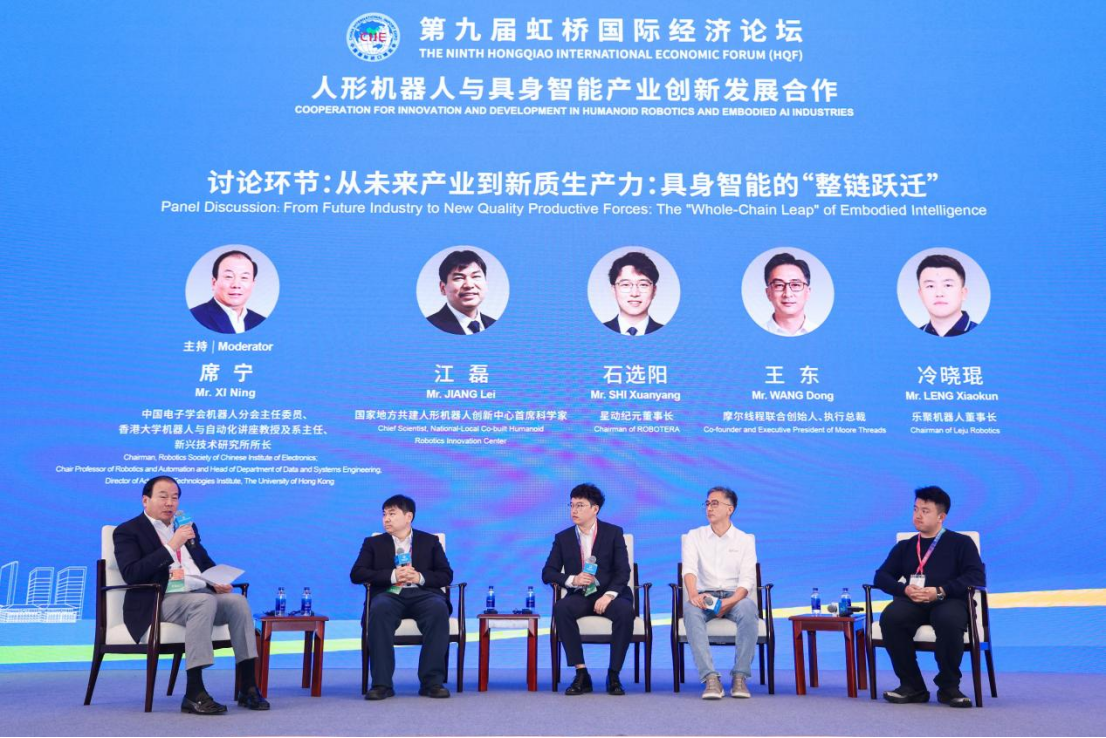
The discussion session was moderated by Xi Ning, Chair Professor of Robotics and Automation and Head of the Department of Data and Systems Engineering, the University of Hong Kong. It invited Jiang Lei, Chief Scientist of the national-local co-built Humanoid Robot Innovation Center; Shi Xuanyang, Chairman of Robot Era; Wang Dong, Co-founder and Executive President of Moore Threads; and Leng Xiaokun, Chairman of Leju (Shenzhen) Robotics, to conduct in-depth exchanges on the theme “From Industry of the Future to New-Quality Productive Forces: The ‘Full-Chain Leap’ of Embodied Intelligence”, sharing practices and reflections from the dimensions of technology breakthroughs, industrial ecosystem, and scaled application, and exploring pathways for coordinated innovation across the upstream and downstream of the industrial chain and for accelerating the transformation of technological achievements into real productive forces.
Humanoid robots and embodied intelligence are accelerating their integration into the real economy and injecting new momentum into industrial transformation and upgrading, as well as high-quality economic and social development. The Chinese Institute of Electronics will work with all sectors to continuously promote the deep integration of scientific and technological innovation with industrial innovation, and advance application expansion, standards building, talent cultivation, and international cooperation, contributing to the innovative development of the humanoid robot and embodied intelligence industry and to empowering new-type industrialization.