News

The 9th HQF | “BRICS Economic and Trade Cooperation in the Third ‘Golden Decade’: Prospects and Pathways” Release date: 2026-11-18 Source:CIIE
On the afternoon of November 5, 2026, the parallel session on “BRICS Economic and Trade Cooperation in the Third ‘Golden Decade’: Prospects and Pathways” of the 9th HongQiao International Economic Forum (HQF) was held at the National Exhibition and Convention Center (Shanghai). The session was jointly hosted by the Ministry of Commerce of the People’s Republic of China and the United Nations Conference on Trade and Development (UNCTAD), and organized by the School of International Relations and Public Affairs, Fudan University.
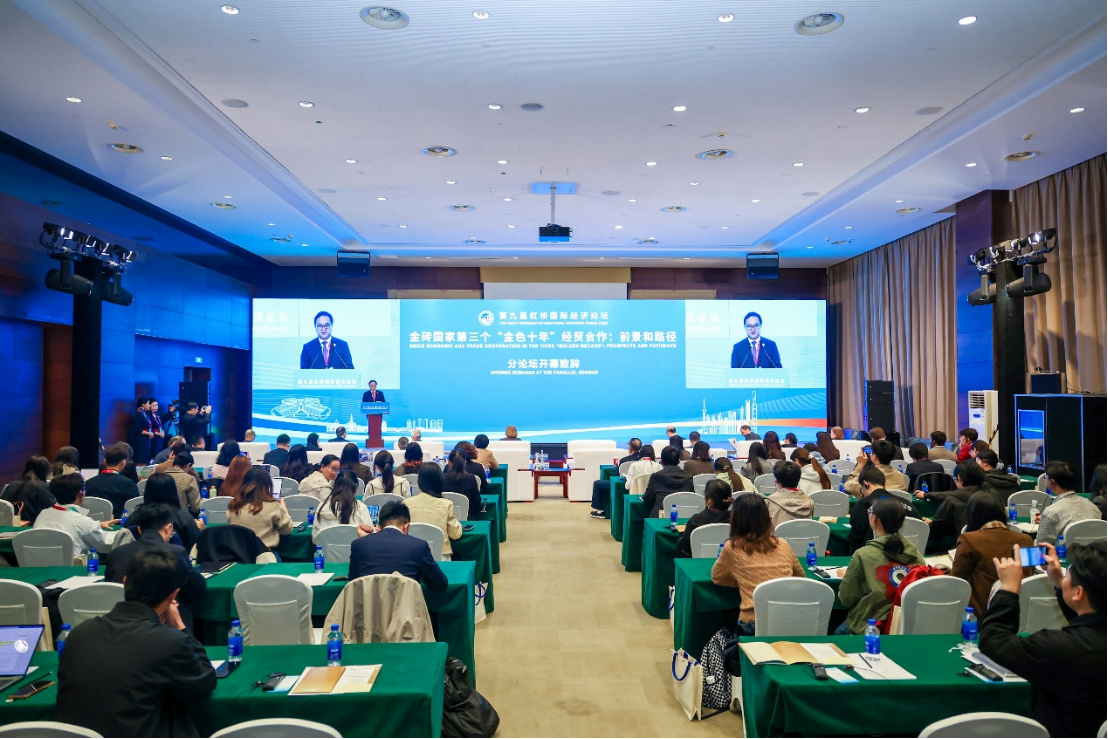
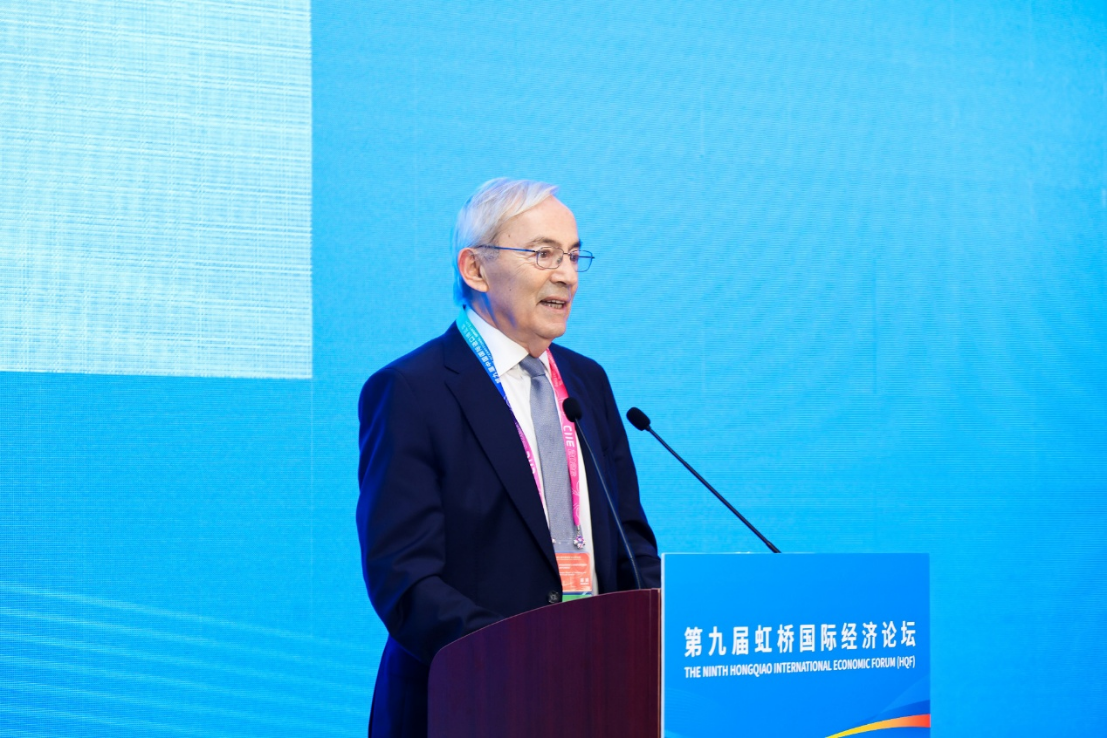
Chen Chao, Director-General of the Department of International Trade and Economic Affairs of the Ministry of Commerce; Luz María de la Mora, Director of the Division on International Trade and Commodities at UNCTAD; and Chen Zhimin, Vice President of Fudan University, attended the session and delivered remarks. Sir Christopher Pissarides, a Nobel laureate in Economic Sciences and Regius Professor of Economics at the London School of Economics and Political Science, delivered a keynote address.
Speakers at two roundtable discussions included Shah Nazar Khan, Counsellor at the Permanent Mission of Pakistan in Geneva and Coordinator of the Group of 77 (Geneva); Fiona Tregenna, Director of the United Nations University–Maastricht Economic and Social Research Institute on Innovation and Technology (UNU-MERIT); Mariano Francisco Laplane, Presidential Advisor at the Brazilian Funding Authority for Studies and Projects (FINEP); Henny Saptatia Drajati Nugrahani, Professor at Universitas Indonesia; Zhang Yan, Professor at the Central University of Finance and Economics; Zheng Yu and Yin Zhiguang, Professors at Fudan University; and Nicolas Maystre and Dawei Wang, economists at UNCTAD. They exchanged views on two themes: “Challenges, Potential and Pathways for Intra-BRICS Economic and Trade Cooperation” and “Beyond BRICS: ‘BRICS Plus’ Cooperation and Global Economic Governance”.
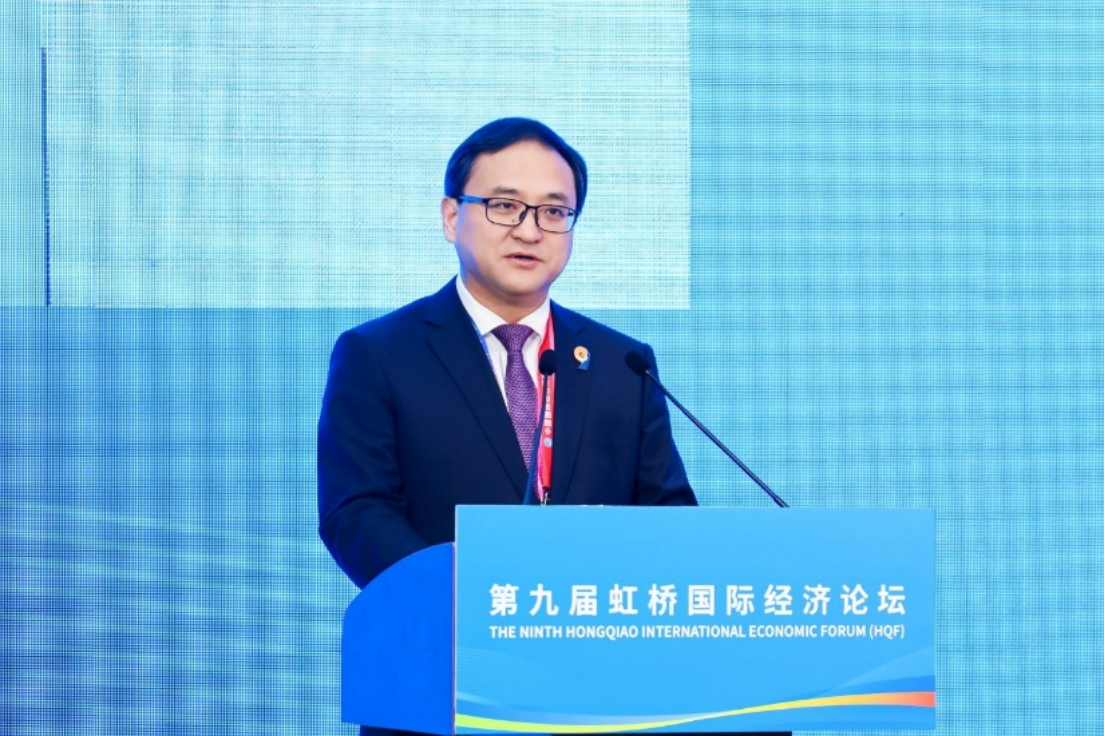
Chen Chao noted that BRICS had undergone a historic expansion, growing into a multilateral cooperation platform spanning Asia, Africa, Latin America, Eurasia and the Middle East, and continuing to inject momentum into global economic growth. As BRICS enters its third “Golden Decade”, deepening economic and trade cooperation and strengthening the representation of Global South countries in reforms of global economic governance have become pressing issues. He said stronger BRICS cooperation requires steady progress towards economic and trade integration, exploring institutionalized trade and economic arrangements based on existing consensus, and improving trade and investment cooperation. New drivers of cooperation should be fostered by expanding economic and trade ties in emerging areas such as the digital economy, artificial intelligence, and green and low-carbon development, advancing the BRICS special economic zone partnership and organizing the BRICS Forum on Trade in Services. He also called for upholding the BRICS spirit of openness, inclusiveness, and win-win cooperation, firmly supporting the multilateral trading system, coordinating positions on global economic governance reform, and bringing together Global South countries to participate in global governance. China, he emphasized, will plan the 2027 BRICS, share market opportunities with its BRICS partners and generate further development benefits.
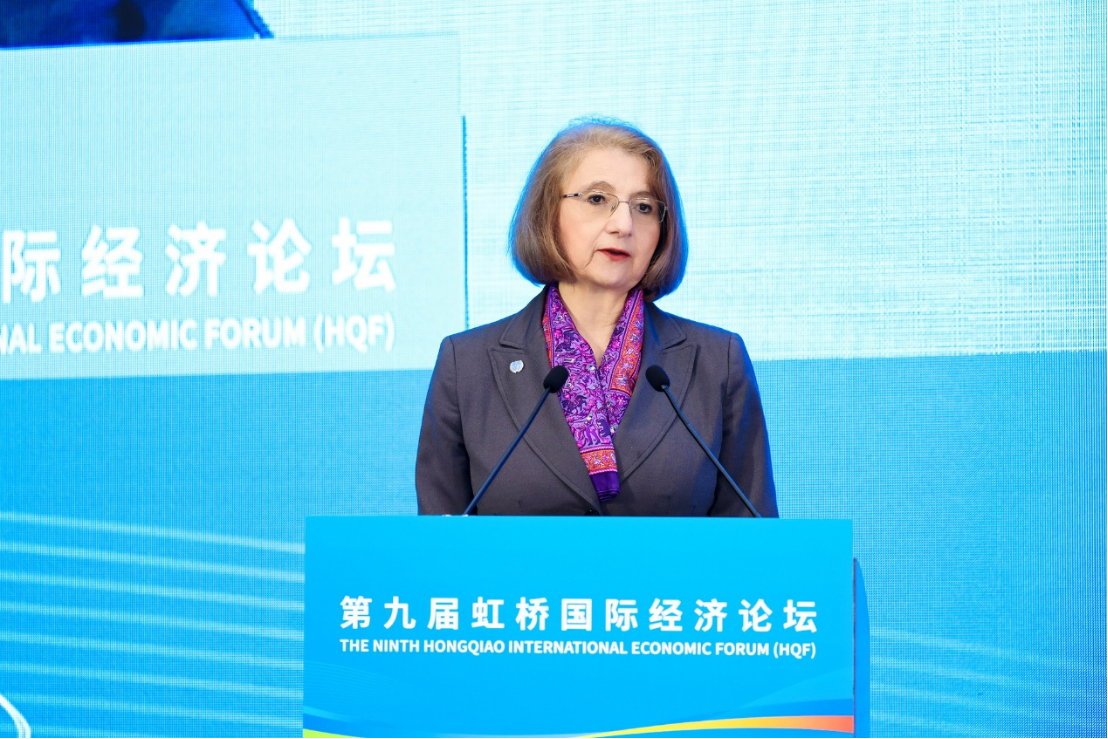
Luz María de la Mora observed that the global economy had continued to grow despite multiple shocks, but many developing economies remained structurally vulnerable due to factors including dependence on external energy supplies, unequal distribution of the gains from artificial intelligence and tighter development financing. Against this backdrop, advancing South–South cooperation and building greater development resilience are increasingly important. As BRICS economies gain greater influence, intra-BRICS trade has performed particularly strongly. UNCTAD data show that trade among BRICS members increased thirteenfold over the past two decades, yet substantial potential remains for deeper economic and trade cooperation. She expressed the hope that the session would bring forward fresh ideas and practical policy recommendations to inform subsequent BRICS policy discussions and support sustained economic and trade cooperation among members.
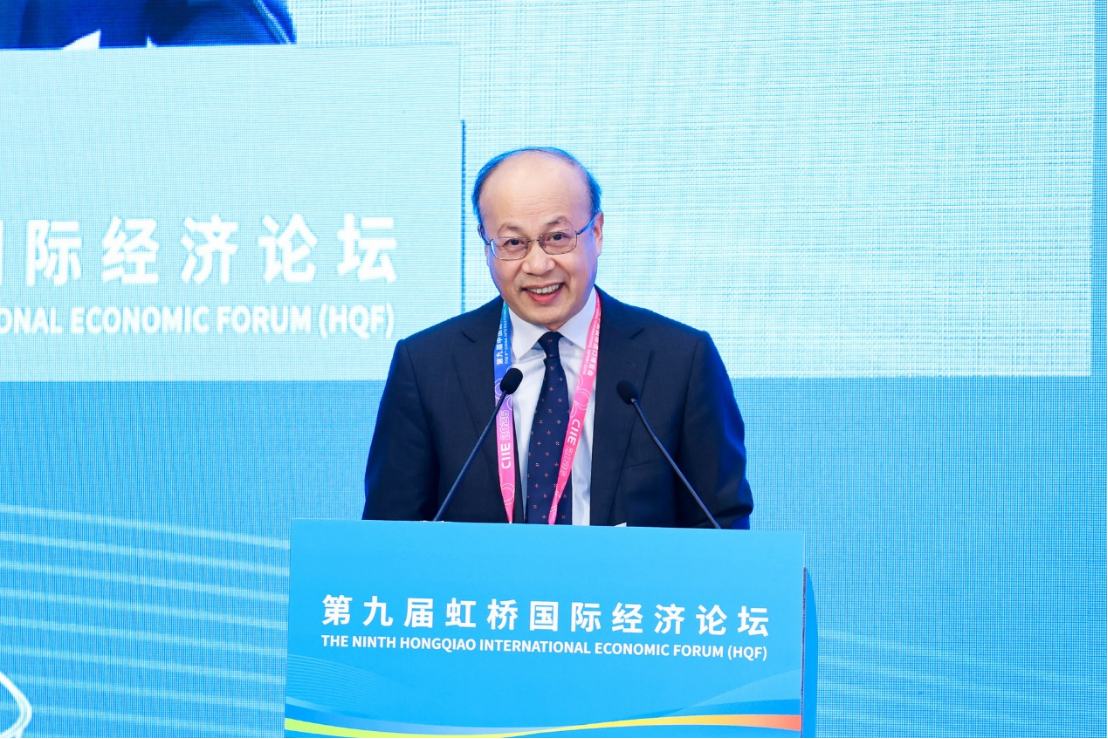
Chen Zhimin noted that the world economy was facing multiple pressures. With the expansion of BRICS, its weight in global output, trade and investment has continued to rise. However, its members are at different stages of development in trade, investment, and industrial and supply chains. Whether they can overcome these barriers to cooperation will affect the ability of emerging economies to build more resilient growth models, spread the benefits of development more widely and reduce dependence on external markets and rules. Future BRICS cooperation frameworks will also have an important impact on the implementation of the global development agenda. He introduced the Center for BRICS Studies, established by Fudan University under the Fudan Development Institute to conduct long-term research on related issues. Looking ahead, Fudan hopes to strengthen cooperation with UNCTAD and BRICS members and partner countries, deepen empirical research, and draw on platforms including the BRICS universities alliance, the BRICS joint research institute, the Global South Think Tanks Alliance and the Center for Global AI Innovative Governance. Through these mechanisms, it aims to translate research into policy decisions, continue talent development, establish regular channels for dialogue and advance discussions on a future global agenda for shared development.
Citing related UNCTAD research, Sir Christopher Pissarides said that since the establishment of BRICS, trade among its members had expanded rapidly, benefiting from complementarities in natural resources, manufacturing and technology, as well as an overall marked decline in tariffs actually applied between members. Cooperation has considerable potential for further expansion, although a larger membership makes consensus-building more difficult. He identified development finance as another important objective of BRICS cooperation, pointing to the role played by the New Development Bank (NDB), headquartered in Shanghai. By the end of June 2026, the NDB had approved 141 projects with a cumulative approval value of US$44 billion, principally in areas such as infrastructure, transport, clean energy and water. China’s assumption of the rotating BRICS chairship in 2027 will provide an important opportunity to develop the cooperation mechanism. Beyond economic and trade cooperation, the application of emerging technologies, climate change, population ageing and public health are also important issues for BRICS. He concluded that BRICS has substantial development potential and that its members should build further consensus and develop more implementable solutions across fields.
During the roundtable discussions, speakers offered diverse views on trade in services, geoeconomics, artificial intelligence, structural transformation, development finance, shared development, South–South cooperation and the design of cooperation mechanisms. Their perspectives and insights contributed to practical BRICS cooperation and the coordinated development of the Global South. Among the speakers, Dawei Wang delivered a presentation on UNCTAD’s 2026 research publication, Two Decades of Intra-BRICS Trade: Trends, Patterns and Policies. The report finds that merchandise trade among BRICS members has expanded at an average annual rate of 13 per cent over the past two decades, significantly outpacing the growth of global trade over the same period.
Nevertheless, intra-BRICS trade remains relatively limited in relation to the economic scale of member countries and their respective shares in global trade and South–South trade, suggesting considerable untapped potential for further expansion.
The report therefore proposes a “Trade+ Strategy”, which calls for stronger political consensus, consideration of more ambitious trade cooperation arrangements, and closer integration of trade with related economic and policy agendas.
The China International Import Expo Bureau (hereinafter referred to as the "CIIE Bureau") cites or reposts media reports for non-commercial purposes to facilitate information sharing. Such actions do not constitute an endorsement of the accuracy, authenticity, or legality of the original content, nor do they reflect the official stance of the CIIE Bureau. All copyrights and legal responsibilities for the reposted content remain with the original publishers and authors.
If any individual or entity believes that content shared on this website infringes their legitimate rights and interests, please promptly notify us in writing, providing detailed explanations, supporting documentation, and rationale. Upon receiving such materials, we will promptly remove or rectify the disputed content or take other appropriate measures.
Reposted or cited information may be time-sensitive. Users are advised to exercise independent judgment regarding the accuracy and completeness of the content. The CIIE Bureau shall not be liable for any direct, indirect, incidental, consequential, special, punitive, or exemplary damages arising from the use of or inability to use the information or links provided on this website.。
The CIIE Bureau respects intellectual property rights and is committed to delivering high-quality content services within a lawful and compliant framework.